
Control is rarely visible on the production floor, yet it quietly determines whether a coating line stays consistent or drifts into rework and delays. In powder coating operations, the way a system manages temperature, airflow, and timing often matters more than the equipment itself.
Table of Contents
Where Process Stability Actually Comes From on a Coating Line
Stability is not created by constant adjustment—it comes from systems that hold their settings over time. Within Reliant powder coating systems, controls are designed to keep operating conditions steady, even as production demands shift. This reduces the need for operators to intervene throughout the day.
A facility running multiple batches with different part sizes will often see variation if controls are not tightly managed. Reliant powder coating equipment uses coordinated control logic to maintain consistency across these changes. By keeping temperature, airflow, and conveyor speed aligned, the system produces more uniform results without requiring frequent recalibration.
Temperature Control and Why Small Deviations Matter More Than Expected
Temperature differences of just a few degrees can change how a coating performs once it leaves the facility. Reliant powder coating ovens rely on control systems that monitor and adjust heat levels continuously, preventing those small deviations from affecting the final finish.
A Reliant industrial powder coating oven uses feedback loops to maintain a stable curing environment. For example, when a heavier batch enters the oven, the system compensates to maintain the correct thermal profile. Reliant powder curing ovens benefit from this level of control, ensuring that coatings cure properly across varying loads without relying on manual corrections.
Coordinating Airflow and Line Speed Without Guesswork
Airflow and conveyor speed are closely linked, yet they are often adjusted separately in less integrated systems. In Reliant powder coating systems, controls manage both variables together, ensuring that powder application and curing conditions remain balanced.
When airflow and line speed are out of sync, coating thickness can vary, and curing may become inconsistent. Reliant powder coating equipment addresses this by linking these factors through centralized controls. This coordination helps maintain steady production without requiring operators to constantly fine-tune settings during operation.
Operator Input Versus System Automation in Daily Production
The balance between manual control and automation plays a significant role in how a system performs. Reliant powder coating equipment packages are designed to reduce reliance on manual input while still allowing operators to make necessary adjustments when conditions change.
Automation does not remove the operator—it supports them by handling repetitive adjustments. For example, once a process is set, the system maintains those parameters across multiple runs. Facilities considering Reliant powder coating equipment for sale often look for this balance, where automation improves consistency without limiting flexibility.
Control Interfaces That Simplify Complex Processes
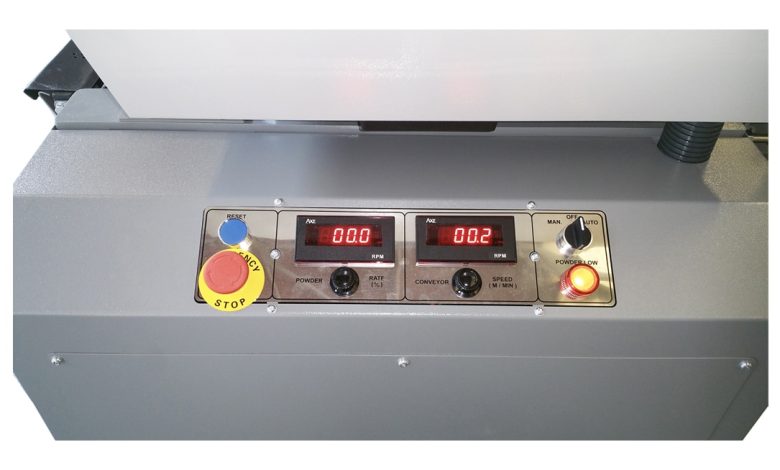
Control panels are often the primary way operators interact with a system, and their design affects how easily processes can be managed. Reliant powder coating systems use interfaces that present key information clearly, allowing operators to monitor performance without being overwhelmed.
Instead of navigating multiple disconnected controls, operators can access temperature, airflow, and line speed settings in one place. A Reliant powder coating equipment package brings these elements together, making it easier to identify issues and respond quickly. This streamlined interaction reduces downtime and helps maintain steady production.
Data Tracking and What It Reveals About Performance Over Time
Tracking performance data provides insight into how a system behaves under different conditions. Reliant powder coating equipment incorporates data logging features that record key metrics such as temperature profiles and cycle times.
Over time, this data helps identify patterns that may not be immediately visible. For instance, a slight temperature drop during certain production cycles can be traced and corrected before it affects product quality. Reliant powder coating ovens benefit from this capability, as it allows facilities to maintain consistent curing results and improve process reliability through informed adjustments.
Why Integrated Controls Support Consistency Across the Entire System
Controls work best when they connect the full coating process instead of managing each stage separately. In Reliant powder coating systems, integrated controls help operators monitor application timing, oven temperature, airflow behavior, and cure cycles from a more organized setup. That reduces confusion during shift changes and gives production teams a clearer view of what is happening across the line.
This is also where equipment planning becomes important. A Reliant powder coating equipment package should not treat controls as a basic add-on, because the control layout affects how operators diagnose issues, repeat successful settings, and document batch performance. Reliant Finishing Systems can support facilities looking for coating equipment where controls are matched to the workflow, whether the project involves a batch booth-and-oven setup or a more complex finishing line.


